

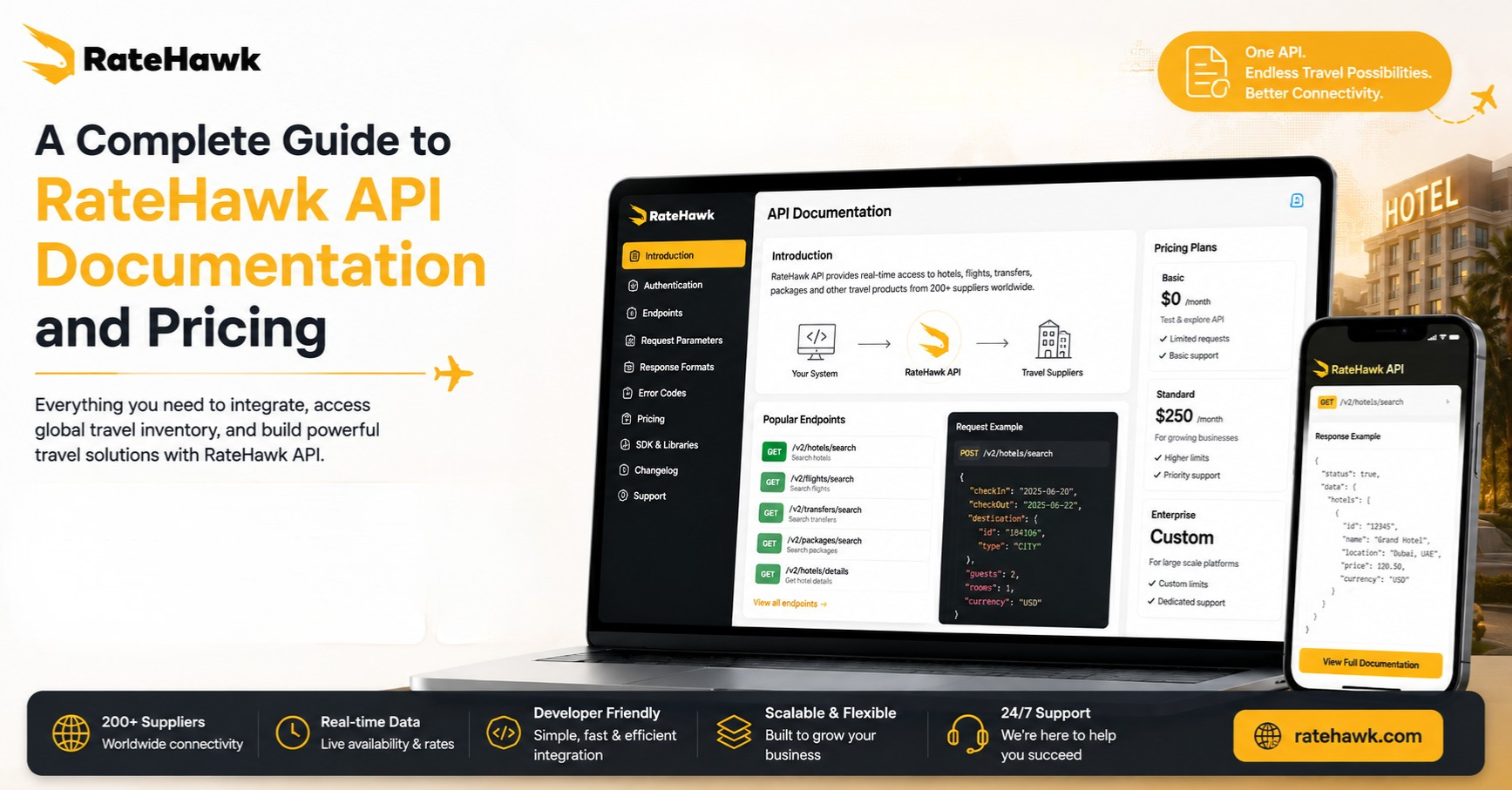
Choosing a hotel supplier has become one of the most important technology decisions for your travel business. Whether you are building an online travel agency or expanding a destination management company, the supply area you integrate today can have a direct impact on your customer experience and future growth. No doubt hotel inventory is one of the first things that you need to compare but it’s no longer the only factor that matters. This is one of the major reasons why RateHawk API Documentation has gained a lot of prominence among travel businesses looking to expand their accommodation offerings. But before starting any development work it’s very important for you to understand that you must evaluate how the API is documented, how the integration process is structured and what commercial considerations exist.
Before looking at documentation decide whether RateHawk API fits your business strategy
Before opening a single page of documentation or checking out RateHawk API Pricing you need to ask an important question: is RateHawk API the right supplier for the type of travel business you are building? You might begin evaluating APIs by looking at the technical documentation. But successful integrations start with business strategy instead. Technology should support your commercial objectives and not define them. Your supplier doesn’t align with your products and customers even a technically successful integration might deliver limited business value.
1. Understand the type of travel business you are building
Every travel business operates differently and those differences influence the type of hotel supplier that makes the most sense. If you are an OTA serving international leisure travellers might prioritise broad global inventory and fast booking performance. If you are a tour operator creating holiday packages might be important for you. Understanding your own business model makes it easier to evaluate whether RateHawk API is your best bet or not.
2. Are you selling hotels or complete travel experiences?
Hotels are rarely sold in isolation anymore. You can combine accommodation with flights, airport transfers and complete holiday packages. In these situations your hotel supplier becomes a part of a much larger customer journey. That makes it important for you to consider how easily hotel bookings can fit in your broader Bookings workflow. The objective is not to display hotel rooms, it’s to create booking experiences that feel connected from beginning to end.
3. Think about target markets
The destination you serve also influences your supplier selection. If you are just focusing on domestic travel you might have different inventory requirements from companies serving international travelers across multiple regions. Geographic coverage and local market strength and support for different currencies can all influence the customer experience. Even if your current focus is on one region it’s worth considering your future expansion plans. Choose technology that supports additional markets from the beginning.
Documentation is more than developer instruction- it’s a window into integration quality
When you hear the phrase API documentation you might just assume it’s something only the developers need to read. In reality, well prepared documentation tells a bigger story.
-
Clear documentation usually leads to faster integration
Every API integration involves questions. How do you authenticate requests? How are bookings confirmed? When documentation answers these questions clearly, the development team spends minimum time searching for information and more time building the product itself. Clear documentation does not just help your developers it also helps you shorten the project timelines.
-
Good documentation reflects a mature API ecosystem
Well structured RateHawk API Documentation often reflects the maturity of the technology behind it. You should look beyond individual API endpoints and just evaluate how information is organised. Is navigation simple? Are implementation steps explained logically? These details might seem technical but they often indicate how seriously a supplier supports its developer community. RateHawk API has also introduced an updated developer documentation experience designed to improve usability and simplify navigation.
-
Testing and error handling matter more than businesses realized
No API integration is perfect on the first attempt. Testing environments response examples and clear error handling guidance helps the development team identify and resolve issues before your customers even interact. Without this information a small technical problem can take significantly longer to diagnose and increased development costs. That’s why experienced technology companies evaluate documentation just as carefully as they evaluate hotel inventory.
Understanding the RateHawk API workflow before writing a single line of code
Before you start working with RateHawk API you need to understand what the actual booking journey will look like from the customers perspective. Technical documentation explains how systems communicate but a travel business needs to think about what happens at every state of the customer’s journey.
1. Hotel search and availability
Everything starts with the search. Your customer enters a destination travel date and the number of guests and expects the platform to return relevant options quickly. If you are a travel agency, speed is not the only concern. Search results also need to contain useful and consistent information. If the information shown during the search does not match what actually can be booked the problem eventually reaches the customer.
2. Room selection and rate comparison
Once your customer finds a hotel they like the next step to deciding which room and rate to book. This is exactly where clear product information becomes important. Your travelers might see several room categories with different cancellation policies and meal plans. The booking platform needs to present these details clearly so that your customers make an informed decision.
3. Voucher delivery and customer communication
A booking confirmation is not just a simple receipt. For many travellers the voucher becomes an important part during the trip. The customer needs to know the hotel name, booking details and stay dates without having too much to search through. A well planned integration moves from the supplier to the OTA.
4. Modifications and cancellations
Travel plans change frequently. Your customers might need to adjust dates or change room requirements. These situations are a part of normal travel operations. That’s why modification and cancellation workflows should be considered before integration begins. You need to understand how these requests are handled and how updated information is reflected internally.
RateHawk API Pricing: Understanding the bigger commercial picture
Pricing is naturally one of the first questions that you need to ask before starting your partnership. RateHawk API pricing should not be treated as a number that can be compared with another supplier’s published rate. Commercial arrangements can depend on different factors.
-
Separate integration costs from ongoing costs
The initial integration is one part of the investment. You also need to consider development resources and monitoring. A platform that appears inexpensive during implementation might become more costly if it requires extensive manual maintenance.
-
Don’t evaluate pricing without considering inventory quality
A cheaper supplier is not necessarily the better commercial choice if it doesn’t provide the inventory that your customers are actually looking for. From an OTA perspective a hotel API should ultimately contribute to revenue and customer satisfaction. Better inventory helps your platform convert more searches into bookings the commercial value might go way beyond the suppliers initial pricing structure.
-
Ask the right commercial questions
Before entering into any agreement you need to clarify how the commercial relationship works and what costs might apply throughout the partnership. It’s worth understanding how booking volumes affect the commercial model and what support is included.
Comparison Framework: How to Evaluate Any Hotel API Before Integration
| Evaluation Area | Why It Matters |
| Documentation Quality | Clear documentation can shorten implementation time and make future maintenance easier. |
| Inventory Coverage | Relevant accommodation inventory gives your customers more useful choices. |
| API Reliability | Stable API performance supports a dependable search and booking experience. |
| Commercial Model | Clear and sustainable commercial terms help businesses plan for long-term growth. |
| Response Performance | Faster responses contribute to a smoother customer booking journey. |
| Technical Support | Responsive support can help resolve integration or operational issues more quickly. |
| Scalability | The API should be capable of supporting higher booking volumes and business expansion. |
So a successful RateHawk API project does not begin when your developers start writing the code. It begins much earlier with a clear understanding of what your business needs from its hotel distribution strategy. If you are a travel agency or travel business the decision should not be much more than hotel inventory. RateHawk API documentation deserves careful attention because documentation quality can influence development speed and integration risk. The strongest approach is to look at the complete picture. For successful integration you can connect with experts at Traveltekpro.
Read More: RateHawk Hotel API Integration: A Comprehensive Guide
FAQ'S
Related Blogs
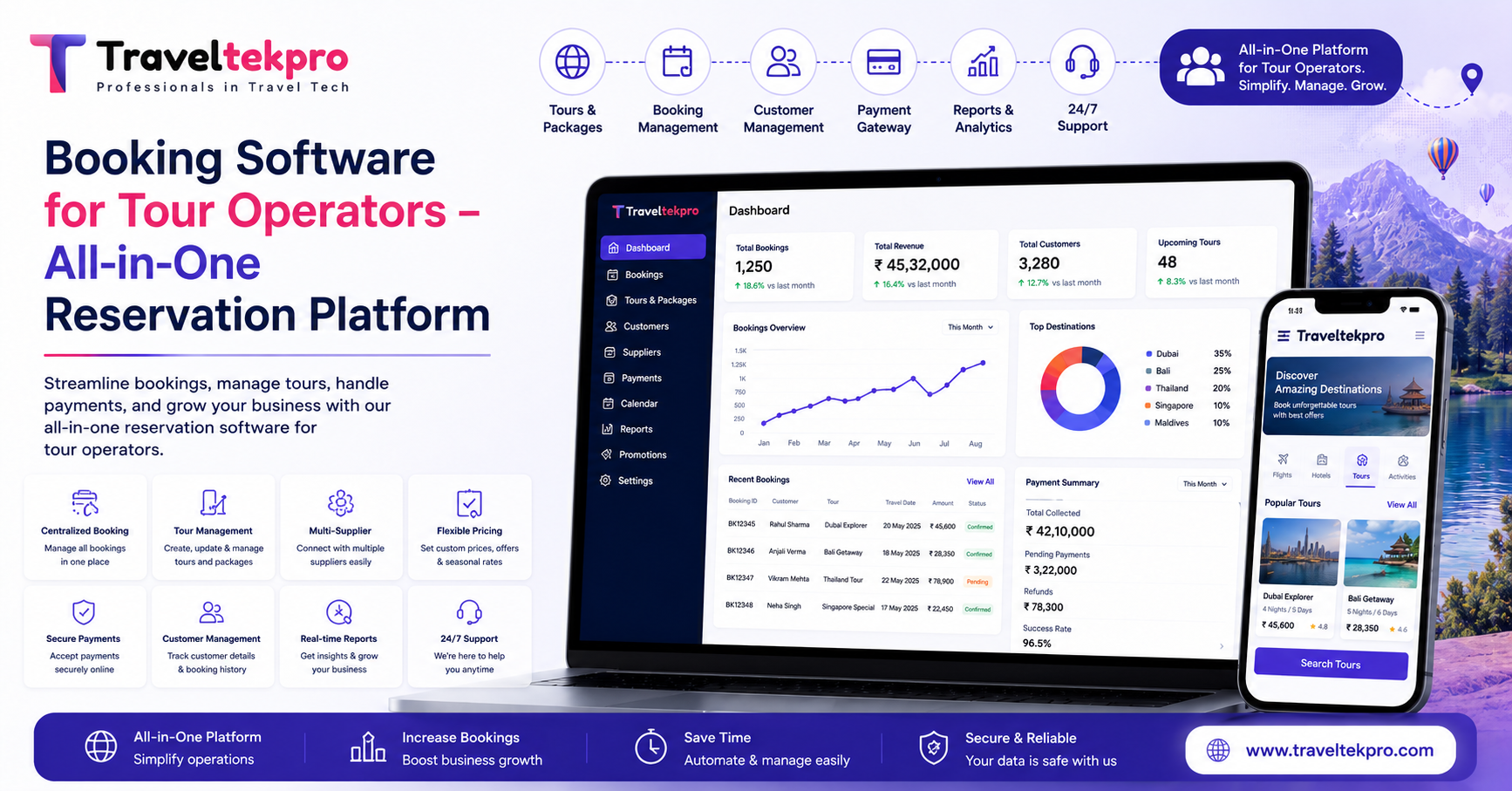
Booking Software for Tour Operators – All-in-One Reservation Platform
Booking Software for Tour Operators – All-in-One Reservation Platform Running a tour business sounds really exciting from the outside. You create itineraries, work with suppliers, plan departures and help people experience new places. But behind…
Sep 2, 2026Read More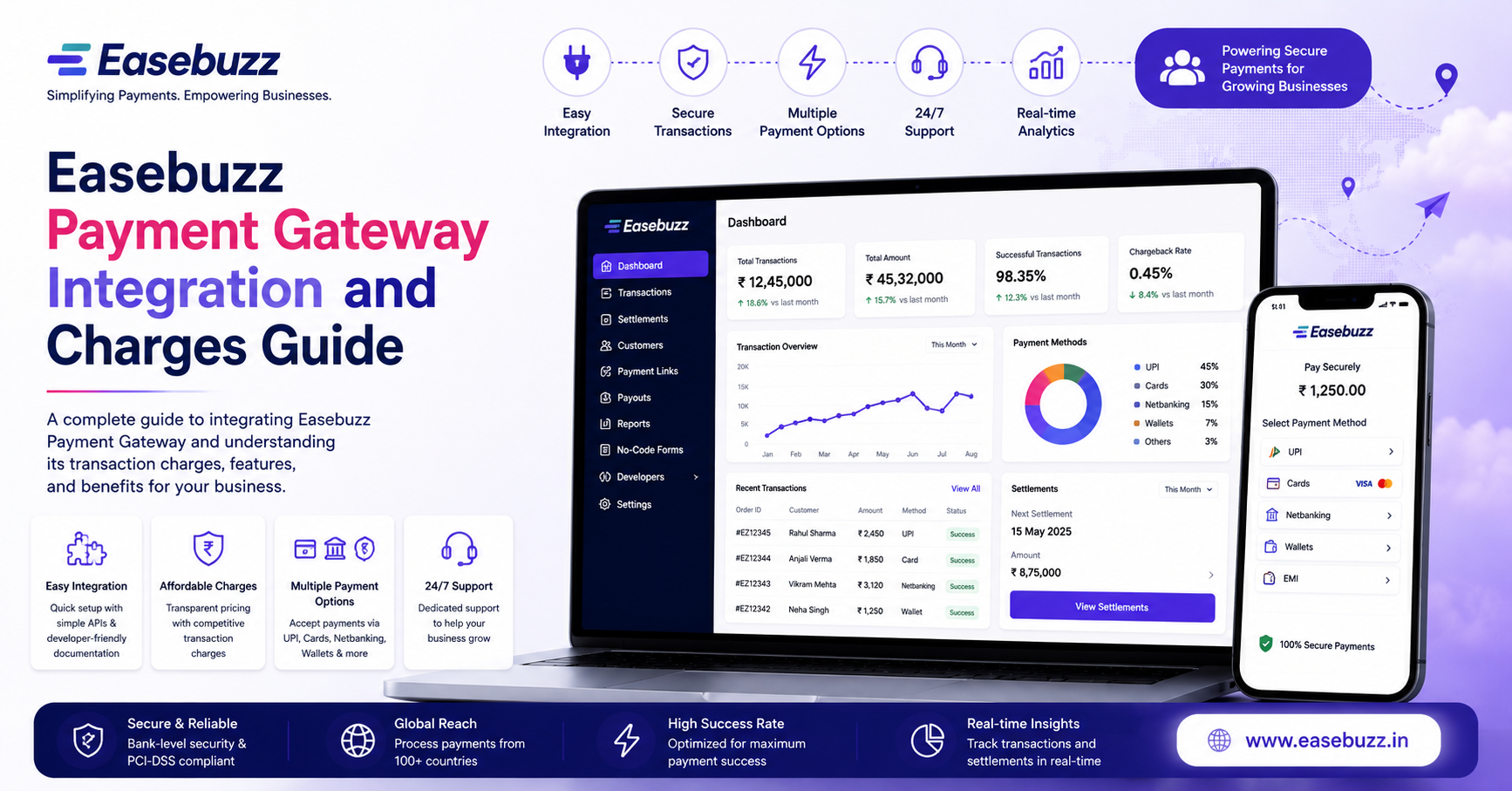
Easebuzz Payment Gateway Integration and Charges Guide
Easebuzz Payment Gateway Integration and Charges Guide your customer spends several minutes comparing flights, checking hotel options or building holiday packages. They might finally find exactly what they want, enter their details and reach the…
Sep 1, 2026Read More
Get in touch
Email Us
sales@traveltekprogroup.com“We opted for Traveltekpro to construct and implement our Flight booking system, and I am thoroughly pleased with the outcomes. Their team displays remarkable efficiency, expertise, and utmost professionalism throughout the project.”

Arun Neli
Chief Operating Officer
“I had a fantastic experience with Traveltekpro! Their custom booking system designed for our platform is not only sleek and easy to use,but it has also received excellent feedback rom our customers. Kudos to the Traveltekpro team for their outstanding work!”

Benjamin Smith
Product Manager
“Traveltekpro has been a delight to collaborate with on two distinct occasions, showcasing professionalism and expertise. Their team demonstrates a commitment to surpassing expectations and adheringto deadlines.”

Kevin Brown
CTO
“We partnered with Traveltekpro for our travel booking platform, and the experience was excellent. The team understood our requirements quickly, delivered on time, and provided great support throughout the project. Highly recommended.”

Manish Singh
Director of IT
“Great experience working with Traveltekpro. They were responsive, knowledgeable, and always ready to suggest better solutions. The final product exceeded our expectations, and the after-launch support has been excellent.”

Shubham Rawat
Founder & CEO