

Flight Booking API Integration: A Comprehensive Guide
The travel industry has changed dramatically with the rise of digital platforms. In the past booking a flight just involved visiting our travel agent or calling an airline directly. Travel agents like you had to manually search for flights through airline systems and confirm bookings through phone calls. This process was time confusing and also often inefficient. Today a lot of customers prefer booking flights online through websites or mobile apps. Online travel agencies, airline websites and travel marketplaces allow your customers to compare flights, check prices and confirm bookings instantly. Behind the convenience is a powerful technology known as APIs.
APIs or application programming interfaces allow different software applications to communicate with each other. The travel industry allows travel booking platforms to connect directly with airline systems and retrieve real time information. You can expect real time flight availability and accurate pricing. Without automated systems it would be nearly impossible for your travel business to manage the expectations. manual flight booking processes cannot keep up with the speed and scale required by modern travel platforms.
This is exactly where Flight Booking API Integration Truly comes in the picture. By integrating flight APIs you can Automate the entire booking process from flight search to ticket issuance. This automation improves efficiency and also reduces human errors and allows you to scale your services globally.
What is Flight Booking API?
Flight booking API is actually a software interface that connects travel booking platforms with the airline systems or flight data providers. It allows you to access airline inventory and retrieve flight pricing information. Instead of manually checking everything the booking platform sends requests to the API. The API then drives real time information from airlines and sends results back to your booking system. This allows you to display available flights and prices. The same API also handles the booking process once the traveller confirms the reservation.
How does the Flight API work?
Flight APIs operate using a request and response communication model. When your customer searches for a flight on a travel website the system sends a request to the API containing all the details like departure city and destination. The API processes their request and communicates with the airline’s system. Once the data is collected the API sends the response back to the booking platform. This website then displays the results to the user in real time. When your traveler selects a flight and proceeds to book the booking platform sends another request to the API to create the reservation.
1. Types of flight API’s
There are different types of flight APIs available in the travel technology system. Airline direct APIs provide direct connectivity between travel platforms and specific airline systems. The APIs are offered by airline systems and also allow you to access inventory without intermediaries. GDS APIs connect travel platforms to connect global distribution systems. The platforms aggregate flight data from multiple airlines and provide a centralized system for accessing flight inventory.
Main components of flight booking API
Flight search API is responsible for retrieving available flight options based on your customers search criteria. You can use the flights by route or travel date. The API processes no search request and returns a list of flights that matched the criteria.
After displaying the flight option the system also needs to verify the price before completing your booking. Fair quote API handles this. Airlines prices can change frequently because of demand or seat availability. The API retrieves the most up to date price and fair rules before confirming the booking.
Booking API creates the reservation once the traveler confirms the selected flight. It sends the information to the airline system and generates a passenger name record. The PNR serves as the official reservation record for the traveler.
Ticketing API issues the electronic ticket after booking is created. The electronic ticket includes important details like ticket number and flight schedule.
Travel plans sometimes change and you might need to modify or cancel your bookings. Cancellation and modification API allows you to handle all the changes. Through these APIs the system can update the flight reservations and apply airline rules.
How Flight Booking API Integration works?
The first step in API integration is authentication. API providers issue credentials like API keys or authentication tokens to authorized partners. The credentials ensure that only approved systems can access the API service. Every API request includes all the credentials to verify the identity of the requesting system.
The flight search workflow begins when your traveler enters a search details to the booking platform. The details usually include the departure city and destination city. The system sends a request to the API with these parameters. The API processes the request and retrieves the matching flight operations.
Before finalizing the booking the system performs A revalidation. This step checks whether the flight prices are still valid. Airline prices can change quickly.
Once the traveler confirms the flight and enters the passenger details the system sends a booking request through the API. The airline processes the request and generates a reservation record. The booking platform then sends the confirmation details to you via e-mail or the application.
Technical architecture of Flight Booking API
The front end booking engine is the user interface that travellers often interact with. This includes the website and mobile application where you search for flights and complete bookings. The middleware layer works like the bridge between front end systems. It processes requests and manages data. The layer is responsible for sending API requests. Supplier APIs include connections to airlines and aggregator platforms. The system provides access to flight inventory and pricing data.
-
Types of Flight API providers
Airline direct APIs provide direct connectivity to a specific airlines reservation system. The APIs allow you to access the airline’s inventory without using intermediaries. Direct integration often provides better control and access to exclusive fares. Global distribution systems are centralized platforms that connect you with multiple airlines. The API allows travel platforms excess inventory from many airlines through a single integration. Aggregator API combined the flight data from multiple suppliers including airlines and other travel providers. The APIs provide consolidated flight inventory and simplify integration by offering a single connection point for multiple sources.
-
Benefits of Flight Booking API Integration
Integrating Flight Booking API offers a lot of advantages for your business. One of the biggest benefits is real time flight availability. You can search flights and see updated schedules and pricing instantly. Another major benefit of automation. API integration automates the entire booking process reducing manual workflow and also reduces human errors. Faster booking confirmations are possible with automated systems. You can receive instant confirmation once the payment is processed. Perhaps the most important benefit is access to global airline inventory. Through flight APIs you can connect with multiple airlines and offer a huge range of flight options to your customers.
Common challenges in Flight API integration
One of the most common challenges in the flight booking system is fair fluctuation. Airline ticket prices change frequently depending on the demand and seat availability. When you search for flight the system displays the price that is available at that moment. But if you wait before confirming the booking the price might change. This can happen within a few minutes or even seconds. The situation can create confusion for your customers if the price shown during search is different from the price during booking.
Another challenge is managing different airline policies. Each airline has its own rules and conditions. For example one airline might allow free checked baggage while another might charge extra for luggage. When you integrate multiple airlines through APIs it must display the rules to customers. If airline policies are not communicated properly, you can face unexpected charges.
Flight search platforms often experience high traffic volumes, especially during peak travel times like peak travel seasons, such as holidays or festivals. Each search request triggers multiple API calls to retrieve flight availability and price information if your system is not optimized to handle a large number of requests and can slow down the platform.
Best practices for successful flight API implementation
Implementing a flight booking API successfully requires careful planning and technical optimization. Following certain best practices helps to ensure that the system runs smoothly and also provides a reliable experience for travellers. One important practice is revalidating fares before confirming a booking. As airline prices change frequently, the step ensures that the price displayed for the traveller is valid at the time of booking. Another useful practice is catching flight search responses. When many users search for the same routes repeatedly, catching reduces the number of API calls and improves system performance.
Monitoring API response time is another important factor in maintaining system performance. Regular monitoring helps you detect slow responses and network issues. Implementing retry logic for failed transactions is also important. If an API request fails because of a temporary issue, the system should automatically retry the request to complete the booking process.
Implementing retry logic for failed transactions it’s also important. If an API request fails because of a temporary issue your system should automatically retry the request to complete the booking process.
Security consideration in flight API integration
Security is one of the most important parts of any online booking platform. All websites handle customer data like personal details and passport information. Protecting the data is very important for maintaining your customer trust. The first security requirement is secure API authentication. API providers use authentication methods like API keys or secure tokens to ensure that only authorized systems can access the API. Payment processing also requires strong security checkouts and travel platforms must follow all the guidelines to ensure that the payment information like credit card details is handled well. Protection against fraudulent bookings is another important part of security. Fraud detection systems analyze transaction patterns and identify suspicious activities.
Who should use flight booking API integration
Flight booking API integration is beneficial for many Travel businesses. Any company that offers flight booking services can benefit from automated connectivity with the airline systems. Online travel agencies rely heavily on flight APIs to display real time flight availability. The platforms allow customers to compare multiple airlines. If you are a B2B travel portal you can also use flight API to provide booking services to travel agents and partner companies. Even if you are a travel startup and building new booking applications you can integrate flight APIs to launch your platform quickly instead of building airline connections from scratch you can use existing API providers flight inventory.
Future trends in flight API connectivity
The travel technology industry continues to evolve and flight API connectivity is becoming advanced every year. One major trend is the adoption of NDC airline distribution models. This allows you to offer more customized products and services through APIs. Which includes customized fares, bundled offers and additional services. AI is also playing an increasing role in flight booking systems. AI powered recommendations can easily analyze the traveller behaviour and suggest flights based on preferences and price trends. Automated rebooking systems are also becoming more common. If a flight is delayed or cancelled the systems can automatically find alternative flights on rebook passengers without any intervention .
So above all you can say that the travel industry has become increasingly digital and flight APIs are a new core component of modern travel booking systems. Without API connectivity it would be challenging for you to access airline inventory and provide real time booking service. Flight booking API integration also helps you scale your operation. As the number of users grows, automated systems can handle large volumes of search and bookings effectively.
So building a modern travel technology platform requires strong technology infrastructure and seamless API connectivity. Traveltekpro specializes in helping travel businesses like yours implement advanced flight booking API integration with leading flight API providers. The solutions are designed to provide smooth I thought experience and reliable booking confirmations.
Read More: Hobse Hotel API – A Game Changer for the Hospitality Industry
FAQ'S
Related Blogs

How an Online Flight Reservation System Streamlines Your Travel Planning
How an Online Flight Reservation System Streamlines Your Travel Planning Booking a flight might look very simple from the outside. A traveller searches for a destination, compares a few options and makes the payment. But…
Aug 21, 2026Read More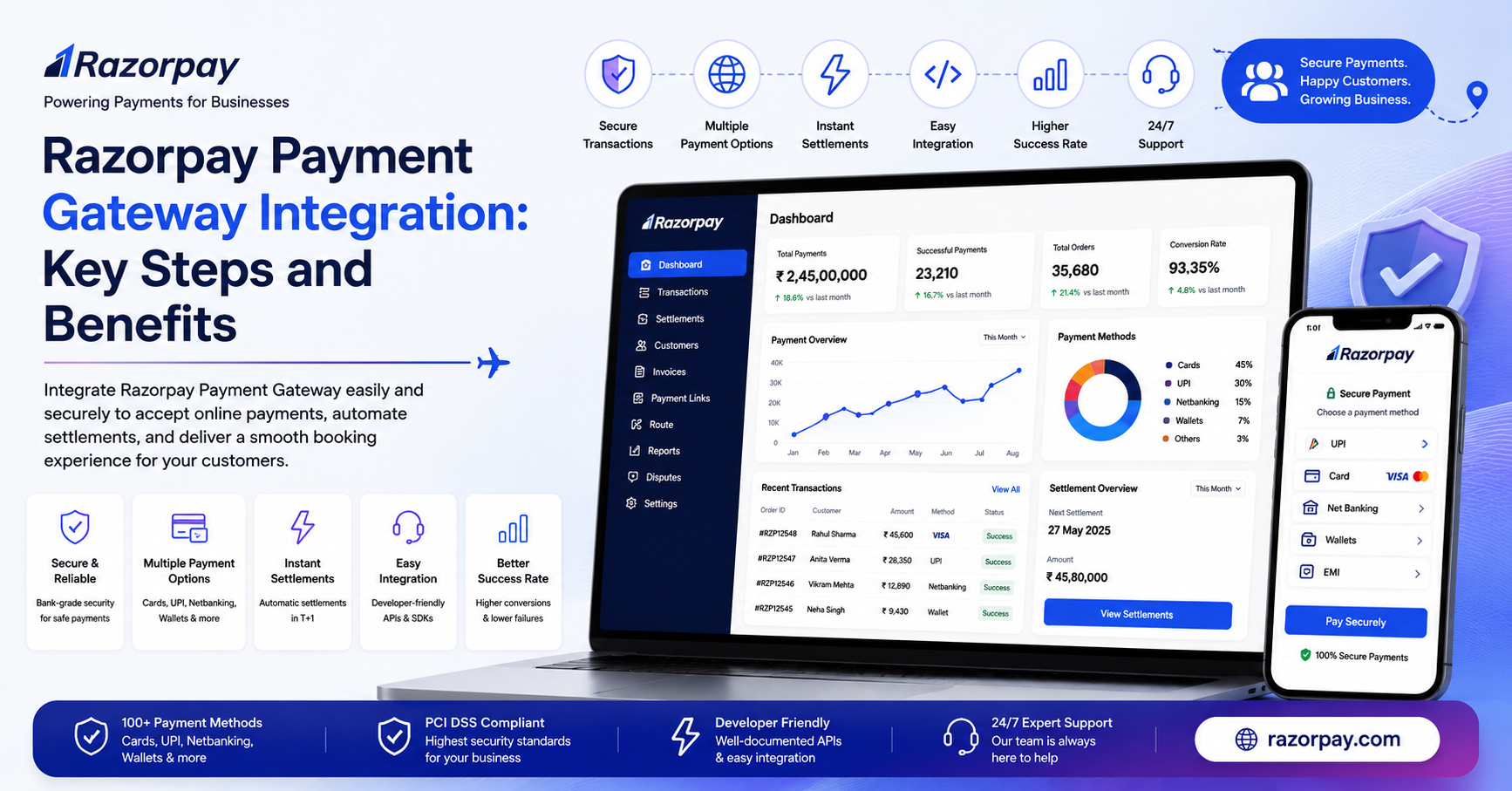
Understanding Razorpay Payment Gateway Integration: Key Steps and Benefits
Understanding Razorpay Payment Gateway Integration: Key Steps and Benefits A customer can spend 10 minutes comparing flights, checking hotel rooms or building a holiday package and still walk away at the final step. Not because…
Aug 20, 2026Read More
Get in touch
Email Us
sales@traveltekprogroup.com“We opted for Traveltekpro to construct and implement our Flight booking system, and I am thoroughly pleased with the outcomes. Their team displays remarkable efficiency, expertise, and utmost professionalism throughout the project.”

Arun Neli
Chief Operating Officer
“I had a fantastic experience with Traveltekpro! Their custom booking system designed for our platform is not only sleek and easy to use,but it has also received excellent feedback rom our customers. Kudos to the Traveltekpro team for their outstanding work!”

Benjamin Smith
Product Manager
“Traveltekpro has been a delight to collaborate with on two distinct occasions, showcasing professionalism and expertise. Their team demonstrates a commitment to surpassing expectations and adheringto deadlines.”

Kevin Brown
CTO
“We partnered with Traveltekpro for our travel booking platform, and the experience was excellent. The team understood our requirements quickly, delivered on time, and provided great support throughout the project. Highly recommended.”

Manish Singh
Director of IT
“Great experience working with Traveltekpro. They were responsive, knowledgeable, and always ready to suggest better solutions. The final product exceeded our expectations, and the after-launch support has been excellent.”

Shubham Rawat
Founder & CEO