The Future of Customer Service in the Travel Industry
There was a time when travelers chose airlines, hotels or travel agencies mainly just based on price. The cheapest air ticket usually won but today things are very different. Customer service has become a real competitive advantage in travel. You can clearly see how things have shifted from price based competition to experience based competition. Travelers today ask questions like how fast can I get help if something goes wrong? Can you change the bookings easily? After the pandemic expectations changed dramatically. Travellers today want speed, flexibility and empathy. They want free ventilations quick refunds and real time updates. They also expect brands to understand that travel plans can change at any moment.
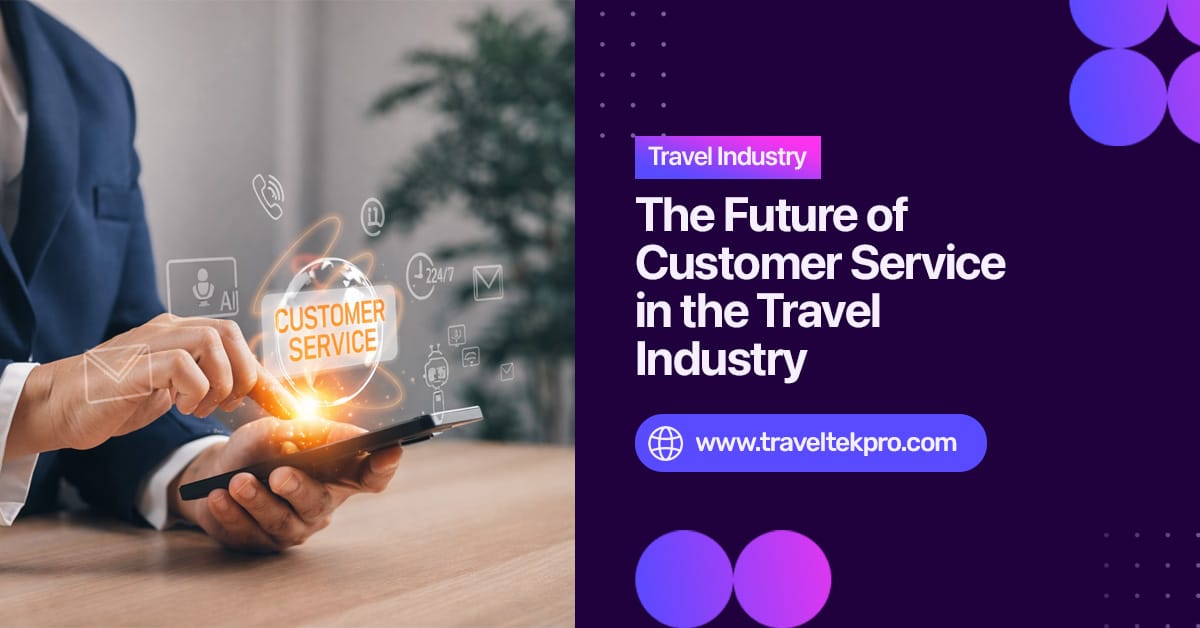
At the same time digital first travelers especially Gen. Z and millennials are reshaping the entire industry. The travelers are used to instant responses from apps like ride hailing food delivery and e-commerce. They expect the same experience from travel brands. Waiting 24 hours for a reply feels really outdated. This is exactly where the gap becomes clear. Traditional travel agencies often rely on phone calls and manual processes. On the other hand, tech enabled platforms use AI automation and data to offer 24/7 assistance and customized recommendations. So you can say that Customer Service in the Travel Industry is driven by AI powered assistants automation and predictive support.
The changing expectations of modern travellers
You live in a instant world. Came to delivery instant streaming immediate payments and travel is no exception. Modern travelers expect same day confirmations 24/7 customer support and 0 delays in response. If someone books a hotel at midnight they expect instant confirmation. If a flight gets cancelled at 3:00 AM they expect support right away. Just think about a travellers stuck at an airport after sudden write cancellation. They are stressed and they need answers if the airline makes them wait in a long queue for two hours frustration grows in no time. Now just imagine this scenario the airline automatically sends notification your flight is cancelled and we have rebooked you on the next available flight that’s the difference in modern customer service in tourism industry.
Furthermore travelers are no longer wanting any generic packages they want customized experiences. They expect custom itineraries based on their interests and if someone frequently books beach vacations the system should recommend similar destinations. If you prefer a boutique hotel over large chains the platform should remember that. Luxury travel experts consider age level personalization. They want airport transfers arranged automatically, restaurant reservations suggested and spa appointments booked without even asking. In the future AI will handle much of this behind the scenes making you feel understood.
AI powered customer support
Earlier chat bots could only answer basic questions. Today you can see AI chat bots are much smarter. They can understand the context, communicate in multiple languages and also modify bookings. Instead of waiting for a human agent your customers can just type can I reschedule my flight to Friday. The chat bot checks the availability, shows options and calculates the fare difference. This reduces stress and saves time.
Predictive customer support is where things get exciting. For example detecting high cancellation risks because of weather or sending proactive refund notifications everything is done with AI. If the system detects that a storm might disrupt flight it can send early alerts with alternative routes. AI can also analyze past behavior to suggest upgrades. If your customer often selects extra legroom seats the system can offer it up front.
Omni channel support seamless experience across platforms
Today you can see customers moving across devices and platforms constantly. Customer service in travel and tourism must follow them everywhere. Customer support is no longer just limited to Just phone calls today travelers expect booking confirmation via WhatsApp and customer support via Instagram DMS. If someone messages you on social media they expect a quick reply in order please e-mail us a response. Meeting customers where they are is already very important. Behind the scenes strong CRM systems power grade service. The unified system allows 360° traveler profiles and real time data synchronization. If a traveler connects you you should immediately see past bookings preferences and previous complaints. There is no need for the traveler to repeat everything.
Automation in travel operations
Automation improves not just Customer Service in the Travel Industry but also speed and accuracy. Instead of manual refund approvals automated systems can verify eligibility and calculate the refund amounts. This reduces your delays and customer frustration. AI can build complete itineraries based on travel dates, budget and interests. In minutes you can receive a structured plan. Automation allows real time alerts like gate changes, hotel check-in reminders and visa document updates. The small touches reduce uncertainty. Manual process includes customer e-mail support agent reads e-mail and agent checks booking while agent responds after 12 hours and automated process is about customer submitting request. The difference in speed is massive. Automation does not remove humans, it frees them to handle complex issues which require empathy.
Personalization at scale
Personalization used to be possible only for luxury travel but today AI makes it scalable. Being learning analyzes the past bookings search history and seasonal preferences. Based on this the system suggests your relevant destinations hotels or add-ons. If someone browses Maldives packages multiple times but doesn’t book the system can send a limited time discount or offer flexible cancellation.
Traditional loyalty programs are simple you can one point to redeem points and even future loyalty programs are smarter. AI can predict churn risk offer customized rewards and send birthday rewards. For example if you suddenly stop working the system can trigger a special retention of a few. Customer service does not end after the trip. Smart platforms send feedback respects and photo sharing reminders.
Self service
Self service is no longer optional it is expected. Modern travelers today do not want to wait in long queues for simple changes. They just want to log in click a few buttons and solve themselves. For example if a traveler needs to cancel a hotel stay at midnight to family emergency instead of emailing you and waiting for 24 hours they will just log into the account select the booking and cancel instantly. The system shows refund amount and processing timeline. This level of clarity builds trust and improves customer service in tourism industry. You can be assured of lower support workload and fewer repetitive calls.
Travellers today do not expect fixed packages anymore. They want flexibility. A smart self-service portal allows you to add airport transfers upgrade hotels and add tools. This all happens in real time. Instead of calling you for every small change the customers can just customize their own trip. The system automatically updates the pricing. One of the biggest frustrations in the travel is refund and the entity. People ask where is my refund when will I receive it? A digital travel wallet solves the problem. Travelers can just track the refund status store credits and use partial refunds for future bookings. For your agency digital wallets improve customers retention and also encourages repeat bookings.
The role of human agents in AI driven future
there is a common fear will AI replace human agents? The answer is no. Earlier as the agent you might just handle bookings. In the future you can even become experienced consultants. And once your ticket is confirmed you will say based on your travel style here are three curated experiences that match your interests. You can focus on travel planning advice, luxury customization and complex itinerary. Technology is fast but empathy is human. Just imagine a honeymoon trip disrupted by a flight strike or a medical emergency during travel. In these moments your customers don’t want any chat but they want reassurance. A calm understanding of the human voice makes a big difference. That’s exactly where human empathy still wins in customer service in travel and tourism.
Data security and trust in digital customer service
As travel becomes more digital, trust becomes even more important. Travelers today share passport details, payment information and travel history. If the data is not protected the damage can be really massive. Trust is a major differentiator for customers today except encrypted payments and fraud protection. If the payment fails or seems unsafe trust is broken in no time. Secure systems are no longer optional; they are really mandatory. With global travel comes global regulations. Data compliance frameworks like GDPR require companies to protect customer data and allow data deletion requests. You must know that the travel businesses today must follow international data protection laws carefully. Cyberattacks are increasing globally. Travel platforms are attractive targets because they store a lot of sensitive data. A data breach can damage our brand reputation, cause financial loss and also lead to legal penalties.
The future technologies shaping travel customer service
Just imagine exploring a hotel room through AR or VR before booking or walking through a destination virtually to decide if it matches your vibe. AR and VR will improve booking confidence and reduce post booking disappointment. Travel planning will now feel more immersive. Blockchain can also bring transparency and security to travel bookings. You can be assured of temper proof transaction secure identity verification and transparent supplier agreements. This can reduce fraud and improve trust between your customers and you. This will also improve
1. Customer Service in the Travel Industry.
Future booking engines will combine flights, hotels and activities dynamically in real time. Everything will adjust instantly based on the availability and demand. Your customers can build fully customized packages in no time. Just imagine having an AI travel companion on your phone that suggests nearby restaurants alerts you about traffic delays and translates the local language. Travel will become very smart and more supported than ever before.
2. Challenges travel businesses must overcome
The future is exciting but not easy. A lot of agencies even today use outdated systems integrating modern tools with old software can be challenging. AI and automation require investment and if you’re a small agency you might hesitate due to budget concerns. Employees might even fear change and training is very important here to ensure smooth adoption.
How can travel agencies prepare for the future today?
Firstly, if you’re a travel agency looking forward to improving customer service in the tourism industry then it’s very important for you to invest in scalable travel technology. Choose cloud based systems to ensure API compatibility and plan for your growth. You need to automate repetitive customer queries, deploy AI chat bots and automate funds. Furthermore you need to build a centralized CRM and maintain 360° customer profiles besides tracking booking history. Track your customer behavior and feedback like analyze search patterns, monitor booking dropoffs and collect post trip feedback. You can start small if needed but you need to start now.
So the future of customer service in travel and tourism It’s completely clear. You can be assured of speed customization automation and human empathy. Travel businesses that will evolve will thrive. If you just rely on traditional models, you risk losing customers. Customer experience is the new currency. Today travelers will choose you only if you respond instantly, offer flexible solutions and protect their data. Technology is not replacing service, it is redefining it. If you are a travel agency or a tour operator looking to future proof your business now is the time to act. Choose Traveltekpro and build the best travel solution.
Read More: How to Implement AI Voice Calling in Your Travel Business
FAQ’S
1. How is customer service changing in the travel industry?
Customer service in the travel industry is shifting from reactive support to proactive, AI-powered assistance where automation, real-time notifications, personalized recommendations, and 24/7 omnichannel support replace slow manual processes and delayed responses.
2. What role does AI play in travel customer service?
AI improves travel customer service by enabling instant chat support, automated rebooking, predictive disruption alerts, personalized offers based on traveler behavior, and intelligent self-service portals that reduce wait times and enhance customer satisfaction.
3. Why do modern travelers expect instant support?
Modern travelers expect instant support because they are used to real-time service from ride-hailing, e-commerce, and food delivery apps, making delayed email replies and long call center queues feel outdated in today’s digital-first travel environment.
4. Can automation replace human travel agents?
Automation does not replace human travel agents but handles repetitive tasks like refunds, schedule changes, and booking confirmations, allowing agents to focus on complex itineraries, luxury planning, crisis management, and personalized travel consulting.
5. What is omnichannel customer service in travel?
Omnichannel customer service in travel means providing seamless support across phone, email, WhatsApp, social media, live chat, and mobile apps while maintaining synchronized traveler data so customers never need to repeat their information.
6. How can travel agencies prepare for the future of customer service?
Travel agencies can prepare by adopting cloud-based booking systems, integrating AI chatbots, building centralized CRM systems, automating refunds and alerts, protecting customer data with strong security compliance, and investing in scalable travel technology.
Let's Start Your Project
Let us help you achieve your goals, by creating the best solution for you!